
Facades and architecture
Building fronts, entrances and heritage surfaces animated within their real geometry.
A mapped image is decided by the surface it lands on. Throw distance, ambient light and an uneven facade set the limits long before the animation does.
Mapping is often sold as a content job. In practice it is a measurement job with animation attached.
Every surface has obstructions: window frames, ledges, pipes, a tree that was not in the photograph, a streetlight that comes on at seven. We measure the surface, photograph it at the time of day the show will run, and record what actually falls across it. That record becomes the mask the content is drawn inside.
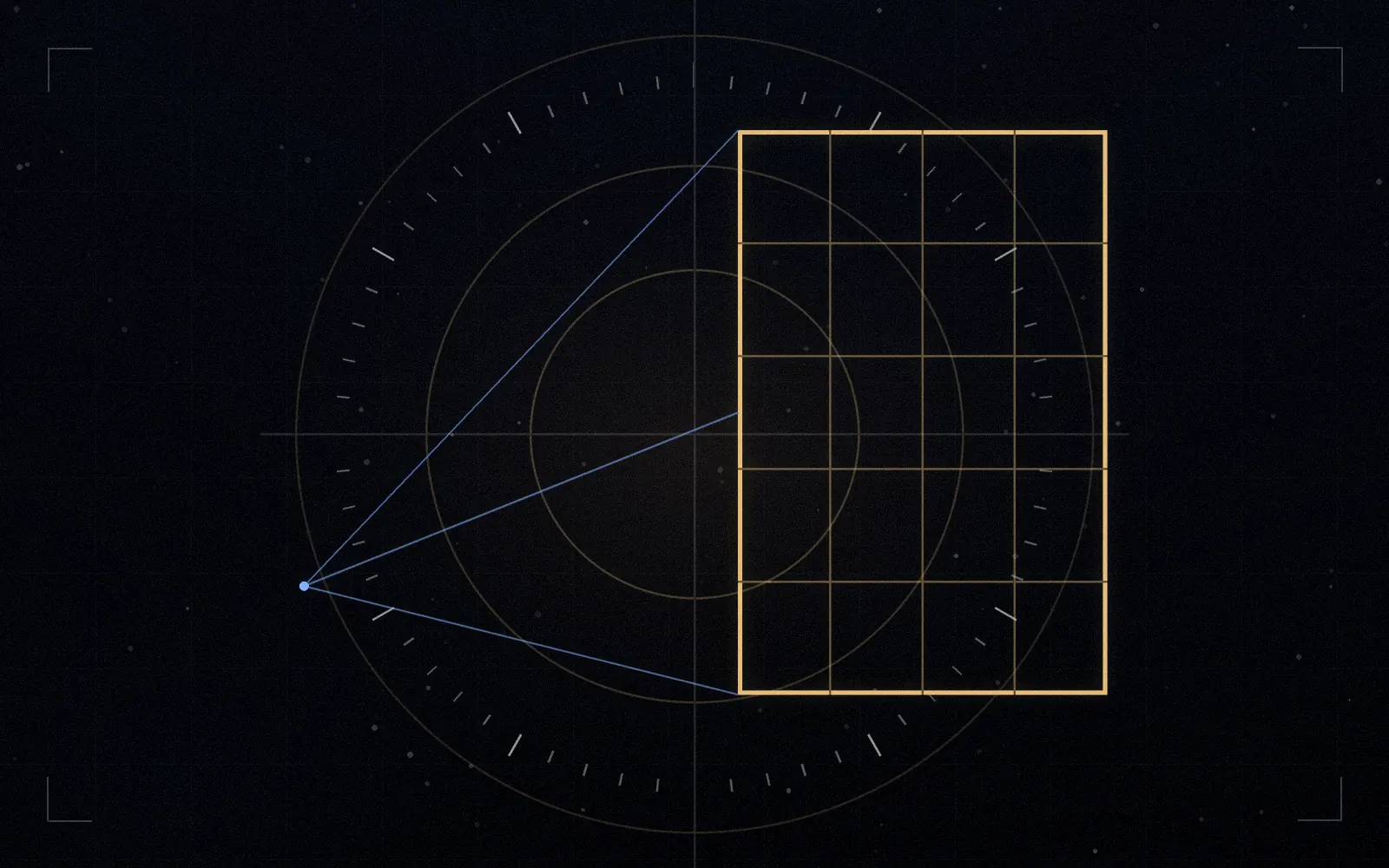
Projectors are then placed where the site allows, at the distance and angle the lens needs, with power and rigging confirmed with the venue. We do not keep a warehouse of projectors; the equipment is sourced for the job's brightness and resolution, and a spare or alternative signal path is planned for anything the audience would notice stopping.
The technique suits a fixed surface with a story attached, and it is chosen against what the audience will actually see.
Building fronts, entrances and heritage surfaces animated within their real geometry.
Moving scenery and bands where the visual reacts to the set rather than sitting behind it.
A car, a machine or a packaging box used as the screen, with the animation wrapped to its shape.
Walls, floors and ceilings treated as one canvas for an immersive walk-through.
Sequences built to the survey mask, including the parts that must stay dark.
Cue lists, playback machines and an operator who can restart a sequence without a visible pause.
The survey, the alignment and the rehearsal carry the risk. They are planned as core work rather than as an afterthought.
Mapping is at its best when the surface is the point — when the image would lose meaning on a flat screen.
A building or entrance that already carries the brand, used as the reveal surface.
Festivals, heritage nights and civic events with a seated or gathered audience.
A dining room, lobby or atrium turned into a changing environment.
A room where the walls and floor are the exhibit rather than the backdrop.
The order is fixed: measure, design, produce, align, rehearse. Skipping a step shows up on the night.
Measure the surface, note obstructions, and read the light at showtime.
Fix projector positions, lenses and rigging with the venue, and confirm power.
Build the mask and storyboard the sequence around the geometry.
Render at the final aspect and resolution, checking black levels on the surface.
Blend and focus on site, then run the show with the client team present.
Source equipment varies by venue. The structure around it does not.
A mapped show is judged in seconds. The preparation is what makes those seconds work.
Animation follows the real edges instead of sitting in a rectangle.
Positions are marked and documented, so the next setup starts from a known point.
A failed signal is a known procedure, not a scramble.
The sequence and the survey are kept for the next venue and the next year.
Still unsure whether this fits what you are trying to do? Ask directly — you will get an honest answer, including when the answer is no.
Talk to the teamMost can be, but not all should be. A surface in direct sunlight, behind trees or without a safe projection position will not hold an image. The survey answers that before content is commissioned.
No. Equipment is specified against the surface and then sourced, either rented for a single event or purchased where a permanent installation justifies it. What we handle is the planning, alignment and playback.
The venue should be surveyed as soon as the date is fixed. Content production and permissions take longer than the installation, so early access to the site matters more than early booking.
Only in shade or overcast conditions, and usually at reduced contrast. For daytime shows we discuss a different surface, an interior space or a non-projection alternative.
The content often can, after remapping to the new geometry. Every surface needs its own alignment, so it is never a straight copy.
Tell us what you are trying to build, launch, grow or fix. You will get a recommended approach, an honest scope and clear next steps.